Japan's MMX spacecraft lifts off toward a sample return from Phobos
JAXA reported that the Martian Moons eXploration spacecraft launched on H3 flight No. 10 from Tanegashima at 04:41:03 Japan Standard Time on 20 October 2026 and separated about 71 minutes later.
Listen
AI-generated voices, script based on this article · 3:52
The Japan Aerospace Exploration Agency announced that the Martian Moons eXploration (MMX) spacecraft launched aboard H3 Launch Vehicle flight No. 10 at 04:41:03 Japan Standard Time on 20 October 2026 from the Tanegashima Space Center. That is 21:41 on 19 October 2026, Europe/Stockholm (CEST). JAXA said the rocket flew as planned and that the spacecraft separated about 71 minutes and 13 seconds after liftoff and was injected into its predetermined orbit.
According to an ESA account of the launch, MMX is led by JAXA, with contributions from NASA, France's CNES, Germany's DLR and ESA, which provided deep-space communications equipment and ground-station support. ESA says the mission is intended to be the first to orbit Mars's moon Phobos, collect samples from its surface, and return to Earth from the Mars system; it will also study Deimos. Those later milestones have not occurred. The launch announcement covers liftoff and orbital injection, not arrival, landing or sample return.
Elliot Sefton-Nash, ESA's project scientist for MMX, said after the launch that the team was preparing for arrival at Mars "next summer."
Why it matters
Phobos and Deimos may hold clues to how Mars got its moons, and a returned sample would let laboratories on Earth examine that material directly. Getting a spacecraft onto the planned trajectory is the first, necessary step in a multi-year campaign.
Looking ahead (speculative)
If the cruise, Mars arrival and Phobos operations go as ESA and JAXA intend, the first close-up survey and, later, a sample heading back to Earth would follow. None of those steps is guaranteed by a successful launch.
Sources
Sources
More in Space
Space
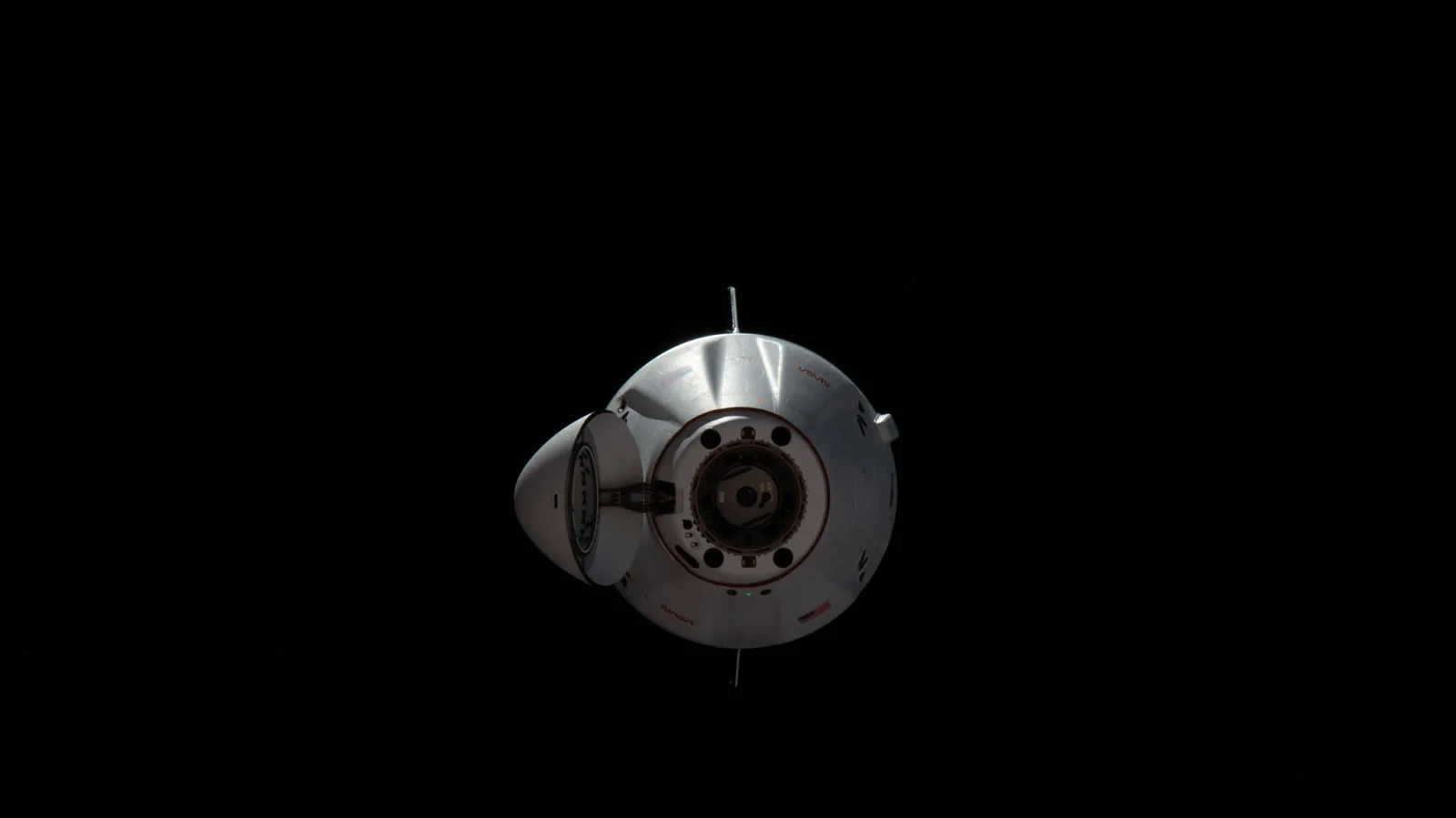
A Dragon capsule returns station samples, including a bioprinted vessel construct and tumor organoids
NASA said an unpiloted SpaceX Dragon splashed down in the Pacific Ocean near Los Angeles at 2:03 p.m. Pacific Standard Time on 21 November 2026, completing the 35th commercial resupply mission.
Space
ESA selects a seven-spacecraft Plasma Observatory as its next medium-class mission
On 19 November 2026, ESA Member States chose Plasma Observatory to study how the solar wind interacts with Earth's magnetic shield, with a launch provisionally foreseen for the late 2030s.
Space
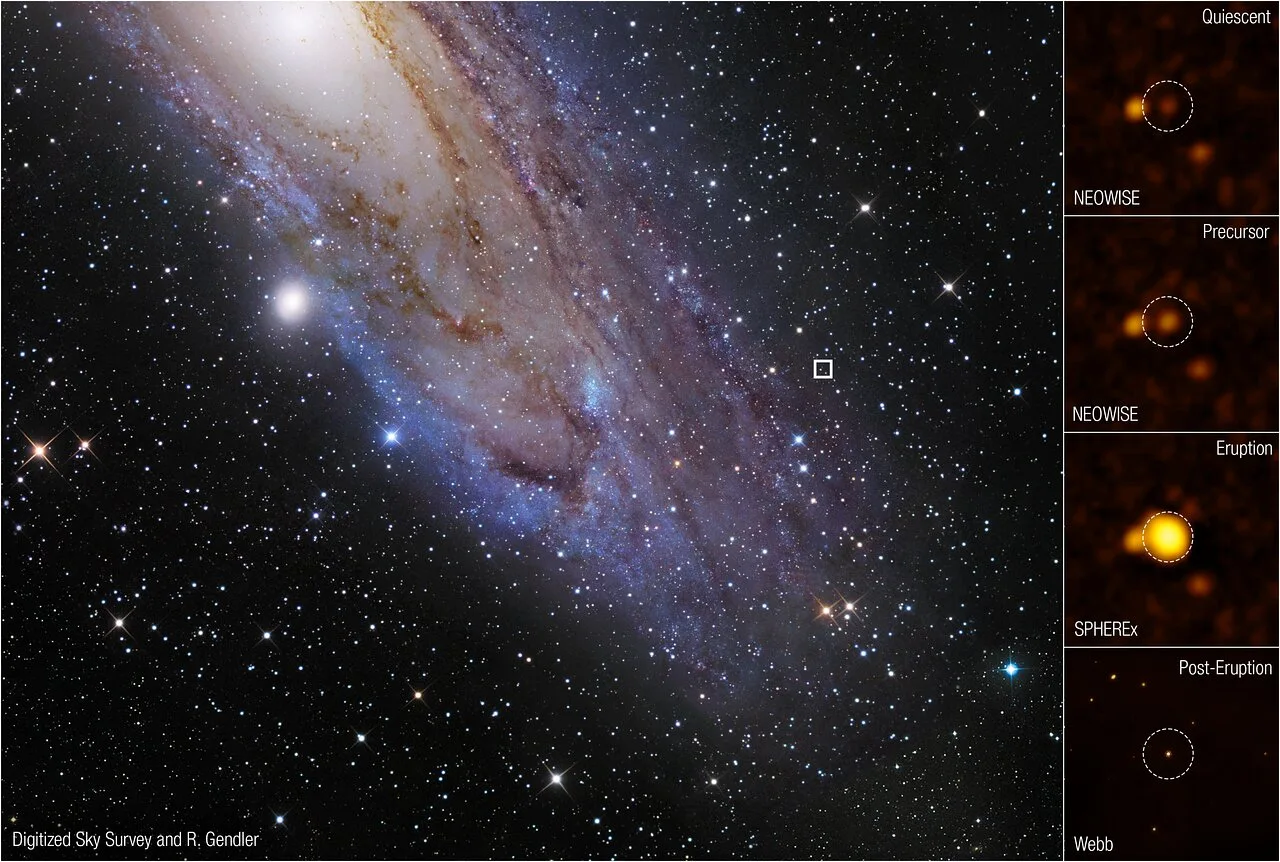
Astronomers reconstruct a star's spiral into its giant companion in Andromeda
A Nature paper and a NASA account, both dated 18 November 2026, reconstruct the common-envelope inspiral of AT 2025abao, a transient nicknamed Bao at the edge of the Andromeda galaxy.
Space
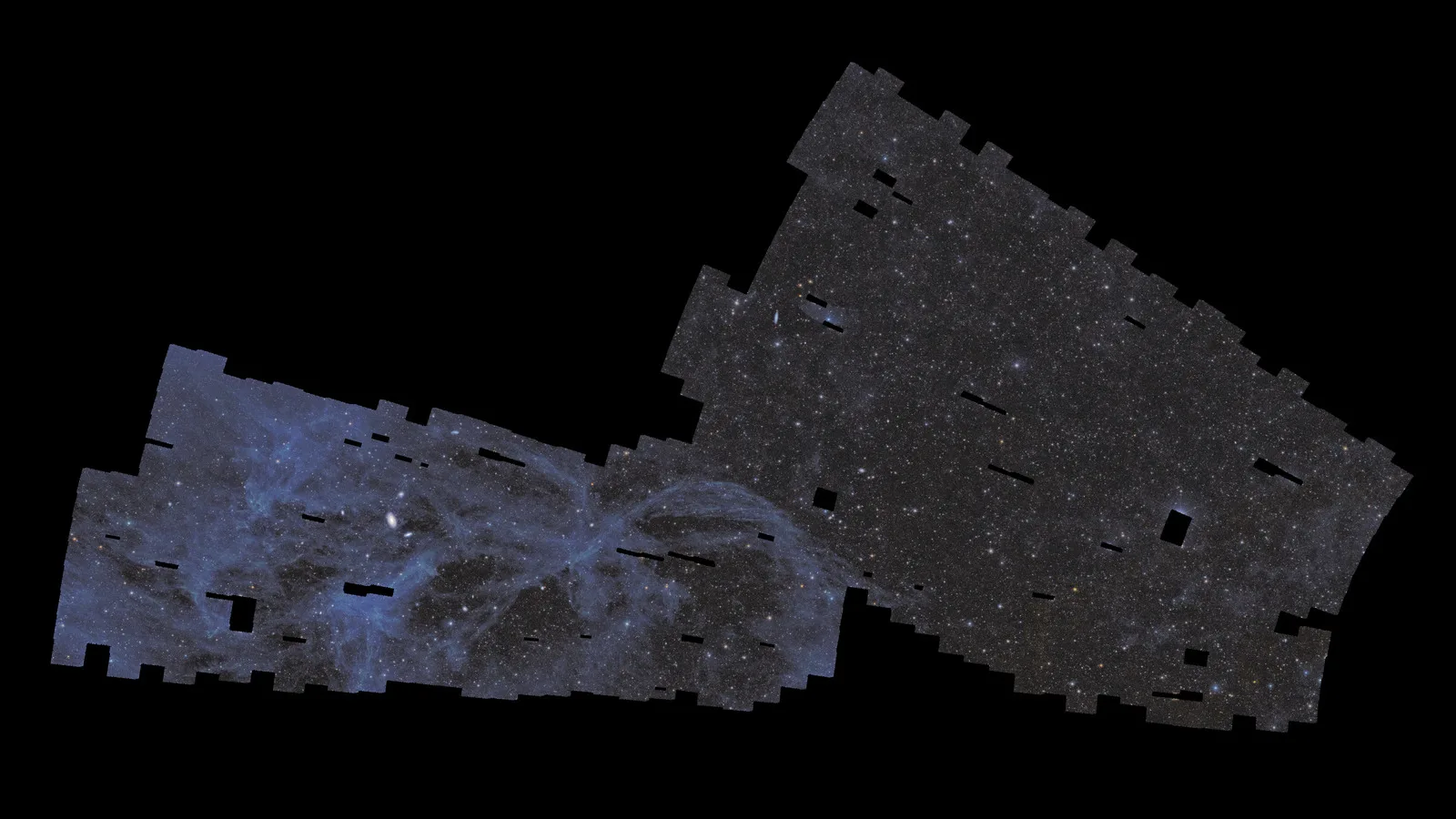
Euclid releases its first major map, capturing light from more than a billion objects
On 12 November 2026, ESA published Euclid DR1-Foundation: about 13 months of observations covering 1,900 square degrees and 1.7 million gigabytes of data.