A Dragon capsule returns station samples, including a bioprinted vessel construct and tumor organoids
NASA said an unpiloted SpaceX Dragon splashed down in the Pacific Ocean near Los Angeles at 2:03 p.m. Pacific Standard Time on 21 November 2026, completing the 35th commercial resupply mission.
Listen
AI-generated voices, script based on this article · 4:00
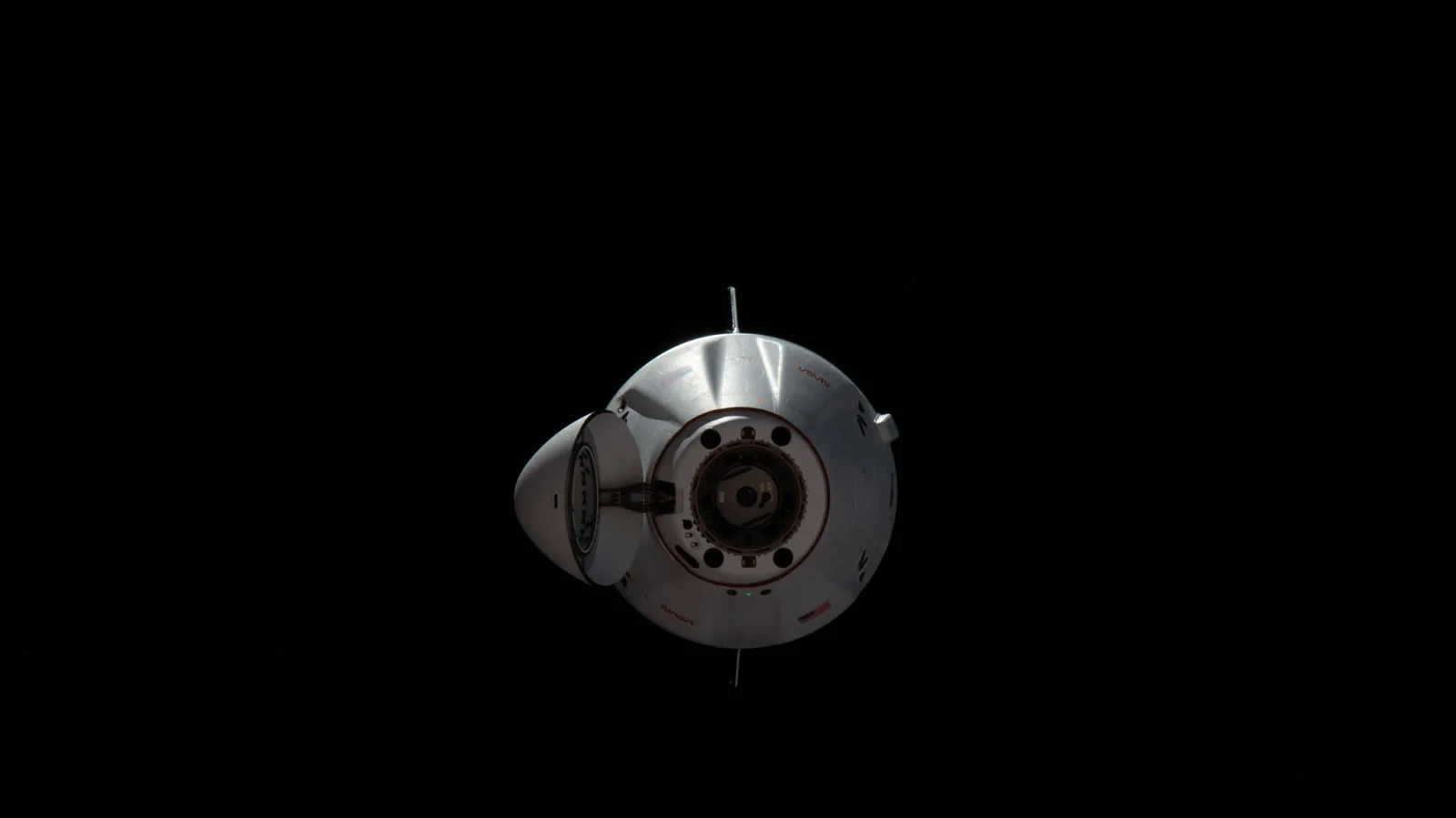
On 21 November 2026, NASA said an unpiloted SpaceX Dragon spacecraft splashed down in the Pacific Ocean near Los Angeles at 2:03 p.m. Pacific Standard Time, which is 11:03 p.m. in Europe/Stockholm, completing NASA's 35th SpaceX commercial resupply services mission to the International Space Station. The account was posted on the agency's space station blog by Mark A. Garcia.
NASA said Dragon undocked from the station at 11:05 a.m. Central Standard Time on 20 November, carrying samples that, in the agency's words, "could shape future space exploration and benefit life on Earth." The returning research, according to NASA, includes a 3D-bioprinted blood-vessel construct used to study vascular aging and cardiovascular disease in space and on Earth, and frozen tumor organoids treated aboard the station. NASA said those organoids "may help researchers identify new ways to improve cancer treatments and advance personalized medicine." Scientists will also analyze frozen microbial samples, NASA said, to better understand how antibiotic-resistant bacteria survive, adapt, and evolve in space. A lighting system also returned after more than three years on the station, where researchers tested its potential to support astronauts' sleep and well-being during long-duration missions.
The same blog post says the spacecraft arrived at the station on 15 October after launching two days earlier on a Falcon 9 rocket from Space Launch Complex 40 at Cape Canaveral Space Force Station in Florida. The lead photograph is from that arrival, not from splashdown; NASA's caption says the approaching Dragon was carrying more than 6,300 pounds of science and supplies for the Expedition 75 crew. That figure describes the inbound cargo, not the mass of the samples that came home.
This is a routine cargo return, not a new spacecraft or mission class. The scientific value of the bioprinted construct, organoids, microbial samples, and lighting hardware depends on later analysis, which is not reported here.
Why it matters
The station is a laboratory as well as a destination. Getting treated organoids, a bioprinted vessel, and long-running hardware back to Earth is how those experiments can be examined with tools that do not fly on orbit, even if those analyses are still ahead.
Looking ahead (speculative)
NASA frames the returned samples as potentially useful for exploration and for medicine on Earth. Whether the organoids, microbes, or bioprinted tissue yield new treatments or mission hardware is not answered by the splashdown report.
Sources
Sources
More in Space
Space
ESA selects a seven-spacecraft Plasma Observatory as its next medium-class mission
On 19 November 2026, ESA Member States chose Plasma Observatory to study how the solar wind interacts with Earth's magnetic shield, with a launch provisionally foreseen for the late 2030s.
Space
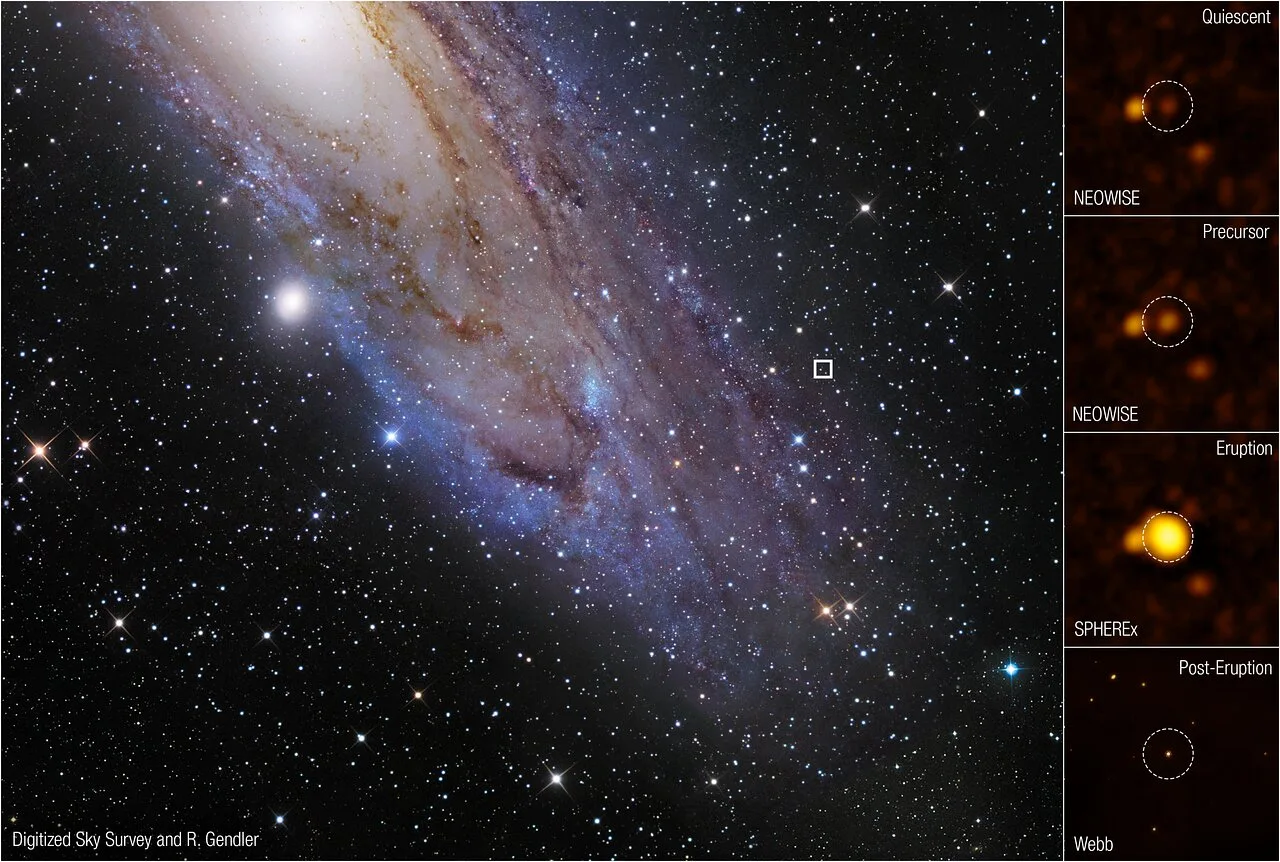
Astronomers reconstruct a star's spiral into its giant companion in Andromeda
A Nature paper and a NASA account, both dated 18 November 2026, reconstruct the common-envelope inspiral of AT 2025abao, a transient nicknamed Bao at the edge of the Andromeda galaxy.
Space
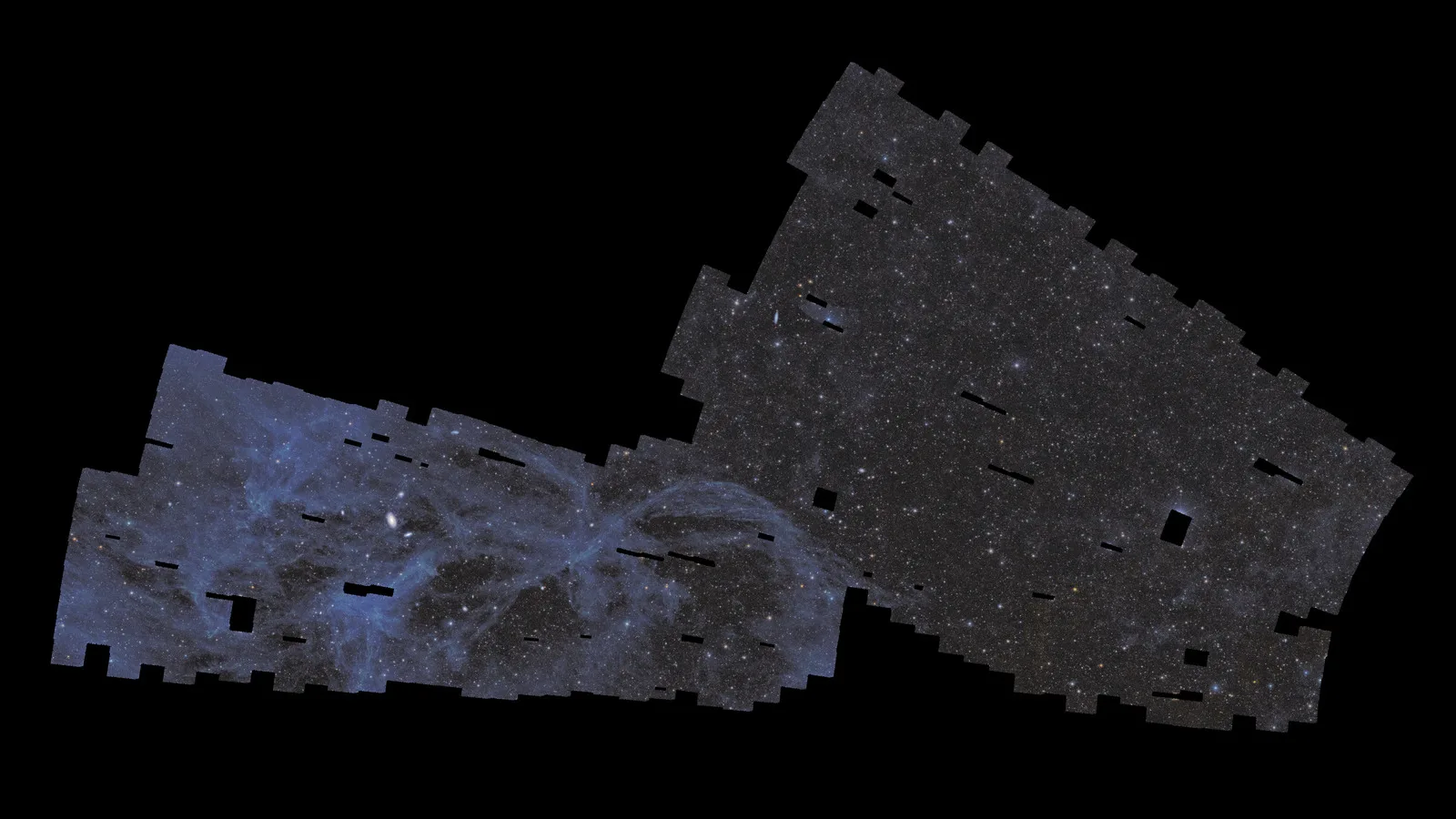
Euclid releases its first major map, capturing light from more than a billion objects
On 12 November 2026, ESA published Euclid DR1-Foundation: about 13 months of observations covering 1,900 square degrees and 1.7 million gigabytes of data.
Space
Cryptography-inspired algorithm finds a gamma-ray pulsar that a 600-CPU-year search missed
A cryptography-inspired lattice search spotted an isolated pulsar in 15 years of public Fermi data, in about 10 CPU hours, after the previous best method missed it.