ESA selects a seven-spacecraft Plasma Observatory as its next medium-class mission
On 19 November 2026, ESA Member States chose Plasma Observatory to study how the solar wind interacts with Earth's magnetic shield, with a launch provisionally foreseen for the late 2030s.
Listen
AI-generated voices, script based on this article · 4:06
On 19 November 2026, Member States of the European Space Agency selected Plasma Observatory as the agency's next medium-class science mission, filling the M7 slot and becoming the first mission of ESA's Voyage 2050 programme. The decision ends a selection process that began with a call for proposals in December 2021.
The mission will use seven coordinated spacecraft to measure magnetic and electric fields and particles at the same time, with the aim of connecting small, fast plasma events to larger changes in Earth's magnetosphere. ESA says earlier missions such as Cluster could examine only one scale of space and time at once, whereas solar-wind plasma interacts with the magnetic environment on scales from a few kilometers to tens of thousands of kilometers, and from milliseconds to minutes.
"After rigorous scientific and technical assessment, the European science community has determined that Plasma Observatory will enable us to understand how our planet interacts with the sea of plasma around it in greater detail than ever before," said ESA's Director of Science, Prof. Carole Mundell, in the agency's announcement. Matt Taylor, ESA's study scientist for the mission, said Earth's magnetosphere can be used as a nearby laboratory for plasma physics that also applies farther from home.
This is a mission selection, not a launch and not the start of construction. ESA says the selection begins a new phase as the mission moves toward formal adoption, then construction, "ahead of a foreseen launch at the end of the next decade." In a footnote to the same announcement, the agency states that launch is provisionally foreseen for the late 2030s. Adoption, in ESA's process, is the later formal decision to commit a mission to full implementation.
The same meeting also narrowed the field for the next medium-class (M8) and fast-class (F3) missions to four and three candidates, respectively. Those candidates will be studied further in 2027; they are separate from the Plasma Observatory selection.
Why it matters
Plasma makes up most of the visible matter in the universe, and the solar wind's encounter with Earth's magnetic shield is the nearest place to study that physics in situ. A seven-point, multi-scale observatory is designed to close a gap that single-scale missions could not.
Looking ahead (speculative)
If the mission is adopted and built on the provisional late-2030s timetable, the data could help both fundamental plasma physics and the interpretation of space-weather events. Those outcomes depend on decisions and development work that have not yet been completed.
Sources
Sources
More in Space
Space
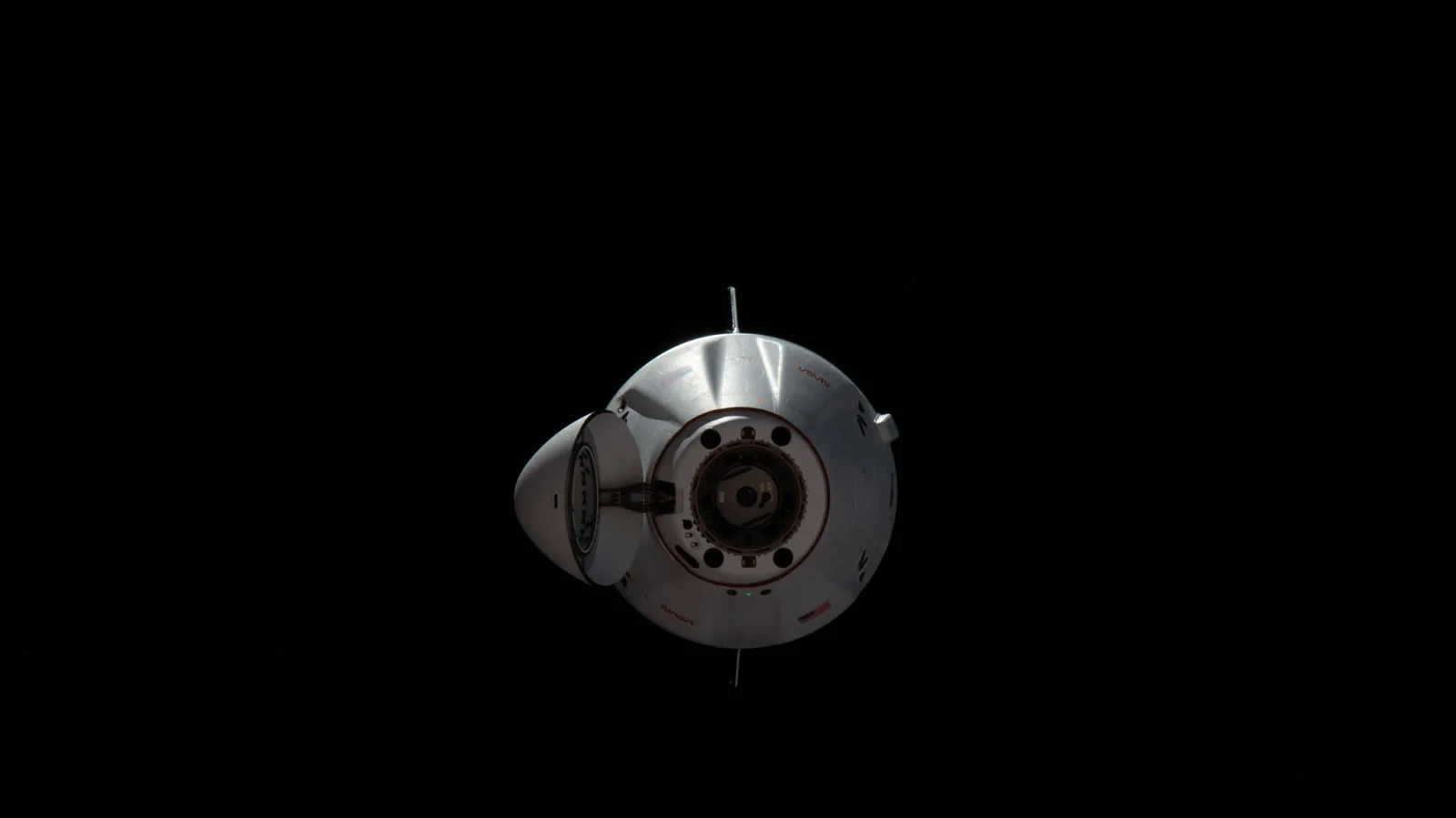
A Dragon capsule returns station samples, including a bioprinted vessel construct and tumor organoids
NASA said an unpiloted SpaceX Dragon splashed down in the Pacific Ocean near Los Angeles at 2:03 p.m. Pacific Standard Time on 21 November 2026, completing the 35th commercial resupply mission.
Space
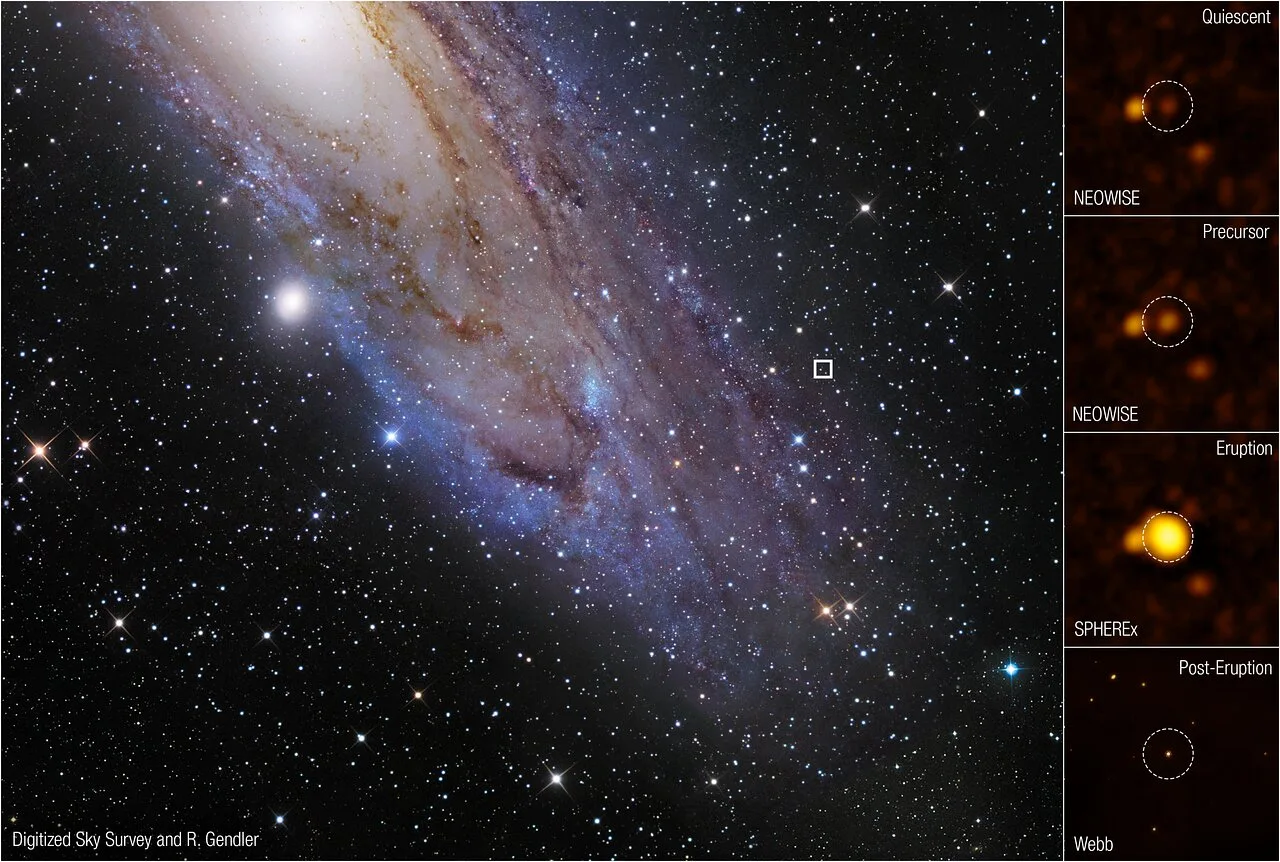
Astronomers reconstruct a star's spiral into its giant companion in Andromeda
A Nature paper and a NASA account, both dated 18 November 2026, reconstruct the common-envelope inspiral of AT 2025abao, a transient nicknamed Bao at the edge of the Andromeda galaxy.
Space
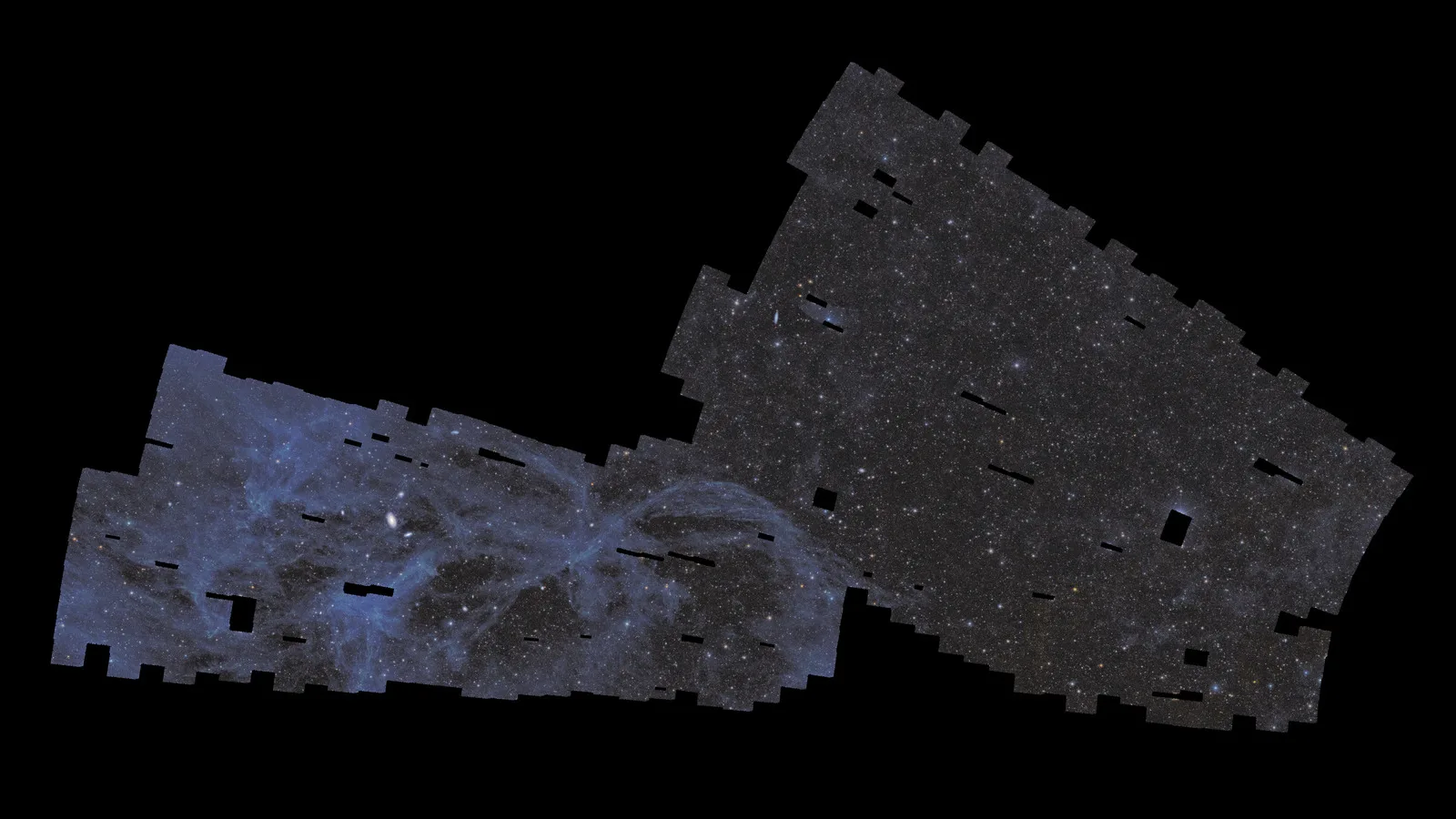
Euclid releases its first major map, capturing light from more than a billion objects
On 12 November 2026, ESA published Euclid DR1-Foundation: about 13 months of observations covering 1,900 square degrees and 1.7 million gigabytes of data.
Space
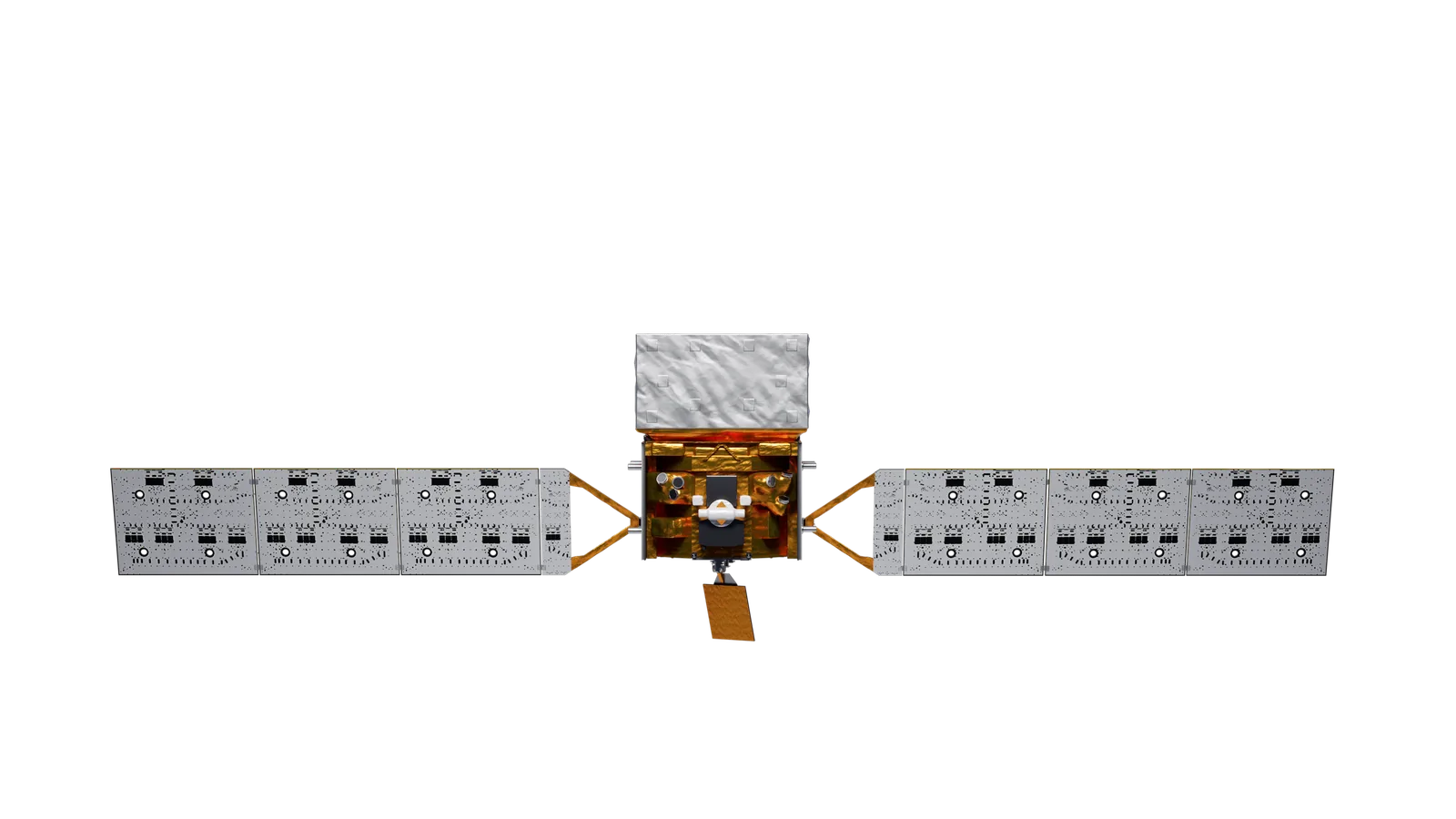
Cryptography-inspired algorithm finds a gamma-ray pulsar that a 600-CPU-year search missed
A cryptography-inspired lattice search spotted an isolated pulsar in 15 years of public Fermi data, in about 10 CPU hours, after the previous best method missed it.