A one-time CRISPR treatment cuts triglycerides by about 63% in a small human study
On 9 November 2026, Cleveland Clinic and CRISPR Therapeutics reported Phase 1b results for CTX310, a CRISPR-Cas9 therapy targeting ANGPTL3, in ten adults with severe hypertriglyceridemia.
Listen
AI-generated voices, script based on this article · 4:28
On 9 November 2026, CRISPR Therapeutics and Cleveland Clinic presented Phase 1b results for CTX310, an investigational in vivo CRISPR-Cas9 gene-editing therapy targeting hepatic ANGPTL3, at the American Heart Association Scientific Sessions. Ashish Sarraju of Cleveland Clinic presented the data. The company reported that a single intravenous infusion was followed, at day 30, by mean reductions of 65% in circulating ANGPTL3 and 63% in triglycerides in ten adults with severe hypertriglyceridemia, who had a median baseline triglyceride level above 1,000 mg/dL. Cleveland Clinic's account reports the same averages and triglyceride reductions of up to 85%.
The Phase 1b severe-hypertriglyceridemia cohort is an open-label study. According to CRISPR Therapeutics, ten participants with fasting triglycerides above 500 mg/dL received a one-time infusion of 40 mg if they weighed less than 85 kg, or 50 mg if they weighed 85 kg or more; the cohort includes one participant from a Phase 1a study who received 56.5 mg. All ten had diabetes, and three had a history of pancreatitis. The company also reported mean day-30 reductions of 51% in non-HDL cholesterol, 23% in apolipoprotein B, and 16% in LDL cholesterol from a low mean baseline of 60 mg/dL.
CRISPR Therapeutics said the infusion was well tolerated, with no serious adverse events related to CTX310 and no clinically relevant elevations in the liver enzymes AST or ALT. One participant had a grade 2 infusion-related reaction that resolved, and the infusion was completed; there were no grade 3 or higher treatment-related adverse events, the company said. As of the data cutoff, seven participants had been followed for at least 90 days. The company said reductions in ANGPTL3 and triglycerides were maintained in those followed for at least 90 days, and that no cases of acute pancreatitis were reported on study.
This is a Phase 1b safety and lipid-biomarker study in ten people, with 30-day lipid readouts. The results were presented at AHA and have not yet been published in a peer-reviewed journal. It does not establish how long the effect lasts over years, or whether heart attacks, strokes or pancreatitis become less common. CTX310 is investigational and is not approved. It is a Cas9 nuclease program, distinct from the Verve/Lilly ANGPTL3 base editor reported in animals. Cleveland Clinic says the study was funded by CRISPR Therapeutics.
Why it matters
Severe hypertriglyceridemia is difficult to control with existing medicines. A first dedicated human cohort in which a single Cas9 treatment produced large short-term drops in triglycerides is an early clinical signal, not a reason to change care.
Looking ahead (speculative)
Larger and longer trials would be needed to test durability, safety and clinical outcomes.
This is news, not medical advice.
Sources
Sources
- CRISPR Therapeutics presents Phase 1b data for CTX310 in patients with severe hypertriglyceridemia at the American Heart Association Scientific Sessions, 9 November 2026
- Gene editing therapy trial dramatically lowers dangerous blood fat levels, Cleveland Clinic, 9 November 2026
- CRISPR-Cas9 gene editing therapy slashes triglycerides, Cleveland Clinic Consult QD
More in Genetics & Medicine
Genetics & Medicine
An ultra-flexible auditory brainstem implant stays stable for more than 136 days in rats
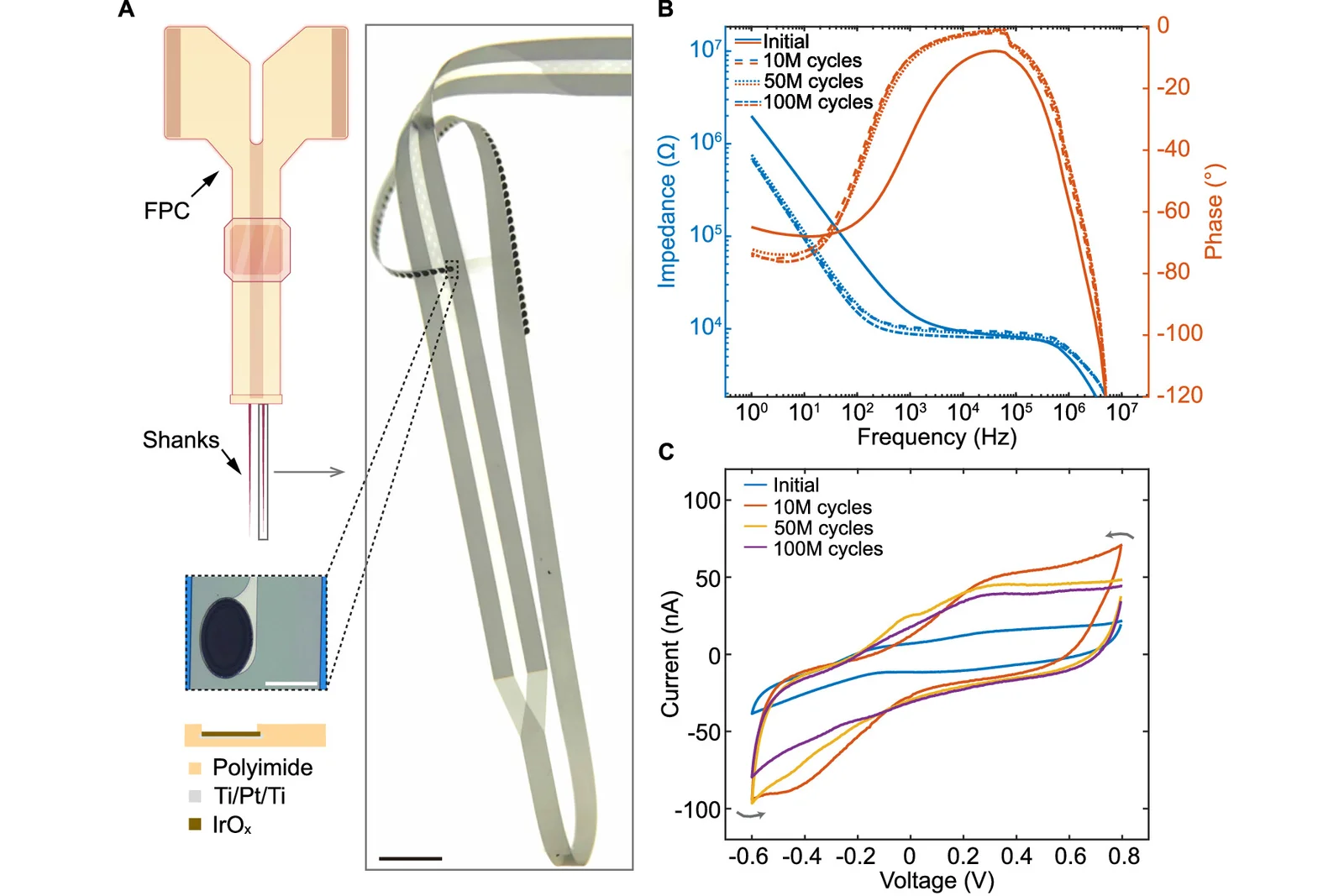
A Nature Communications paper published 22 November 2026 reports uFINE, a high-density, ultra-flexible penetrating electrode array, which in normal-hearing rats produced frequency-selective cochlear-nucleus stimulation that remained stable for more than 136 days.
Genetics & Medicine
A pathology model learns from tumor genomes, then scores 107 cancer tasks
Nature Cancer published THREADS on 20 November 2026, a whole-slide foundation model pretrained by aligning more than 47,000 hematoxylin-and-eosin tissue sections with genomic or transcriptomic profiles.
Genetics & Medicine
Weekly semaglutide lowers BMI in children aged 6 to under 12 in a phase 3 trial
A New England Journal of Medicine paper published 16 November 2026 reports that in the phase 3 STEP Young trial, once-weekly semaglutide reduced BMI more than placebo at week 68 in 167 children with obesity.
Genetics & Medicine
A single infusion of an ANGPTL3 base editor lowers lipids for three years in primates
A Nature paper published 6 November 2026 reports that a GalNAc lipid-nanoparticle CRISPR adenine base editor cut circulating ANGPTL3 protein by more than 90% on average in nonhuman primates, with the effect still present at three years.