Halogen-free water-based electrolytes enable four-electron iodine batteries in the lab
A UCL-led Nature paper published 11 November 2026 reports aqueous zinc–iodine cells that retained 96% of their capacity after 1,000 cycles at 1 ampere per gram.
Listen
AI-generated voices, script based on this article · 4:23
A Nature paper published 11 November 2026 describes halogen-free aqueous electrolytes that let iodine transfer four electrons rather than two, a change that, the authors write, doubles iodine's theoretical capacity in water-based metal–iodine batteries. Ruwei Chen and Haobo Dong, of University College London's Department of Chemistry, are co-first authors. The corresponding author is Guanjie He, also at UCL Chemistry, with collaborators at the University of Oxford. The article is open access under a Creative Commons Attribution 4.0 license.
Four-electron iodine chemistry has usually depended on concentrated, halogen-containing electrolytes to stabilize reactive iodine cations. The team instead uses a kosmotropic anion–polar anion–nucleophilic species framework that, they report, coordinates the interfacial environment and forms nucleophile–iodine halogen bonds.
The paper says zinc–iodine cells retained 96% of their capacity after 1,000 cycles at 1 ampere per gram, and 94% after 2,000 cycles at 2 amperes per gram. The authors also report that the same electrolyte framework was compatible with pouch-cell configurations and with aqueous aluminum–iodine cells that used aluminum–zinc alloy negative electrodes. A UCL News account dated 13 November 2026 says the design was tested in coin cells and pouch cells. Those cycle-life figures are laboratory results at the stated rates and formats, not a lifetime rating for a commercial pack.
Why it matters
Aqueous batteries are attractive for large-scale storage because they use water instead of flammable organic solvents. Getting four electrons out of iodine, without highly concentrated halide electrolytes, would raise how much energy that chemistry can store — if the laboratory cycle life holds up at larger scale.
Looking ahead (speculative)
He told UCL that the next steps include testing the technology at a larger scale and improving performance under realistic operating conditions. Those tests have not been reported here, and a laboratory cell is not a grid battery.
Sources
Sources
More in Energy
Energy
Entropy-tuned lead-free ceramic capacitors reach 21.5 J/cm³ in laboratory devices
A Nature Communications paper published 21 November 2026 reports laboratory multilayer ceramic capacitors, made from a lead-free high-entropy relaxor ferroelectric, with a recoverable energy-storage density of 21.5 joules per cubic centimeter at 1,200 kilovolts per centimeter.
Energy
Tailored interfaces push solid-state lithium-sulfur lab cells toward a projected 500 Wh/kg
A Nature Materials paper published 20 November 2026 reports sulfide-based all-solid-state lithium-sulfur cathodes with high areal capacity; the authors project pouch-cell energy densities above 500 watt-hours per kilogram.
Energy
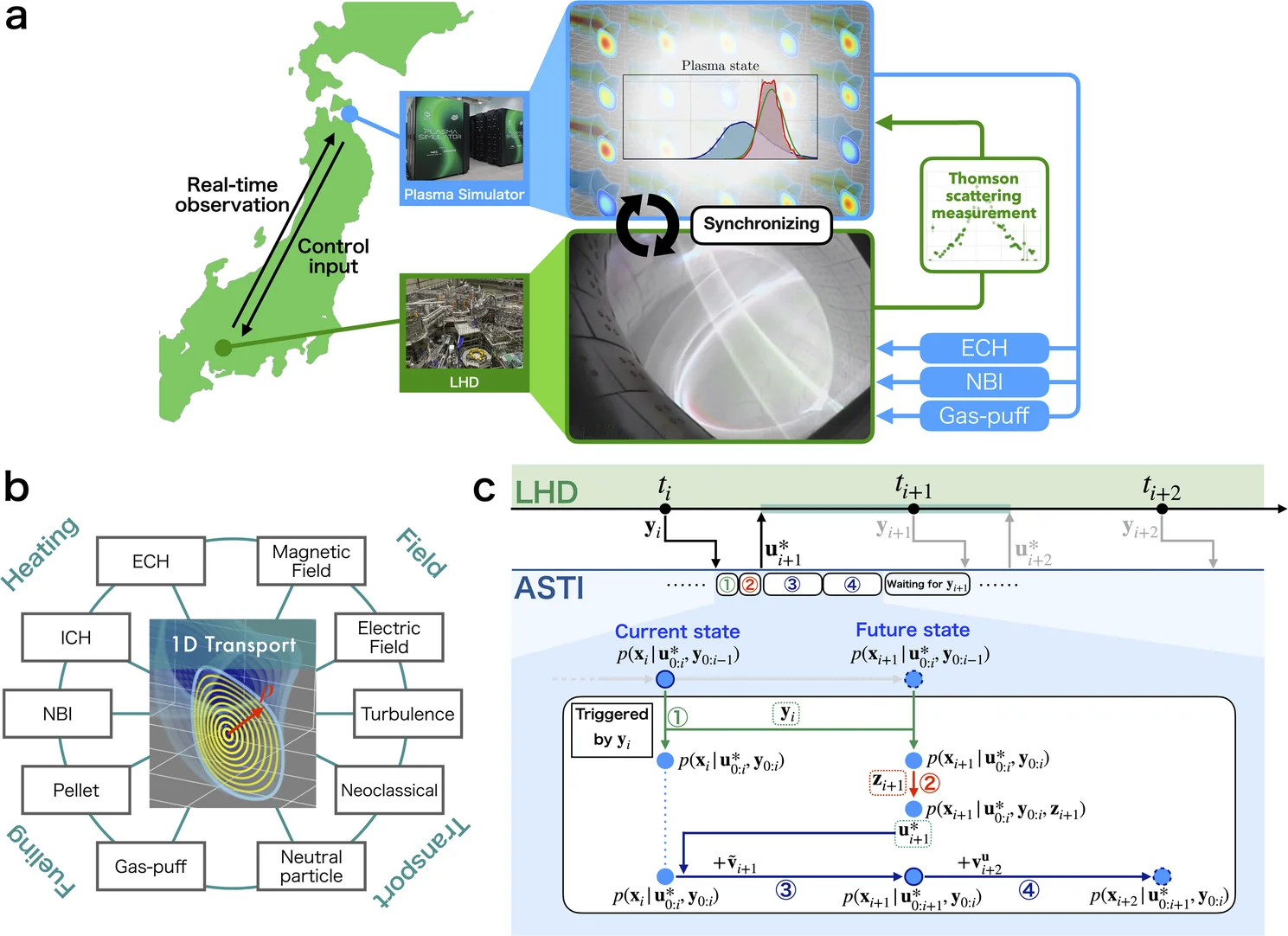
A digital twin helped steer LHD fusion plasmas toward target states in five tests
A Scientific Reports paper published 15 November 2026 describes a closed loop on Japan's Large Helical Device, with heating and fueling set from an adaptive, physics-based digital twin.
Energy
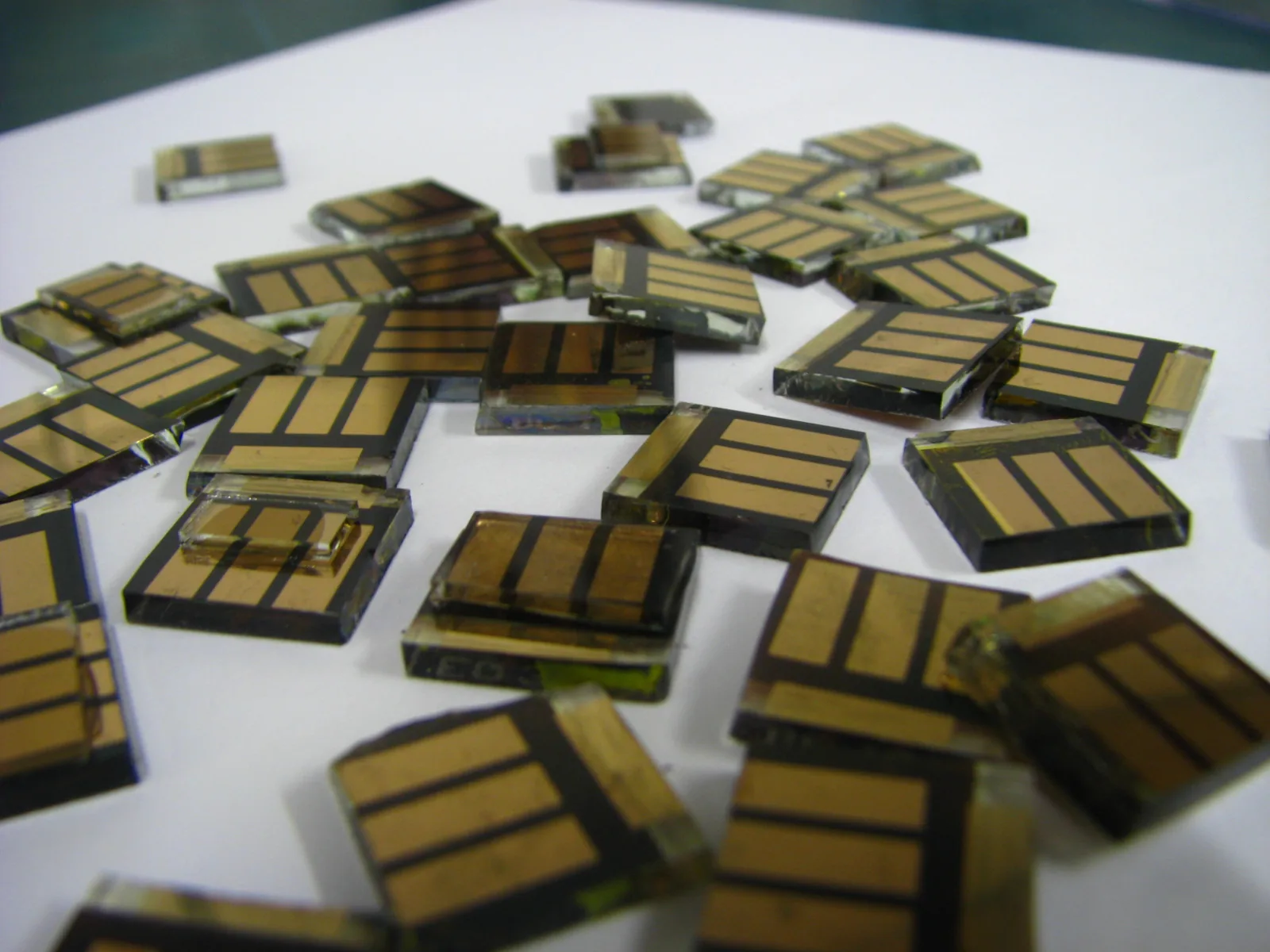
Certified 27.96% inverted perovskite cell, and 34.71% tandem output
A Xi’an Jiaotong University-led team reports conjugated interface molecules that raise certified laboratory efficiencies for inverted perovskite cells and perovskite-silicon tandems.