A KIF2C agonist boosts DNA repair and extends lifespan in progeria mice
A 1 November 2026 Nature Communications study reports that subcutaneous dosing of a small-molecule KIF2C agonist eased aging phenotypes in a progeria mouse model and raised median survival to 17.1 weeks from 15.7 weeks in controls.
Listen
AI-generated voices, script based on this article · 4:19
This is a preclinical study in cells and in a mouse model of premature aging, not a trial in people. In a Nature Communications paper published 1 November 2026, Joana C. Macedo, Elsa Logarinho and colleagues at i3S — Instituto de Investigação e Inovação em Saúde, University of Porto, with collaborators including Andrei Seluanov and Vera Gorbunova at the University of Rochester, report that a small-molecule agonist of the kinesin-13 protein KIF2C improves double-strand-break DNA repair. Macedo and Logarinho are the corresponding authors. The article is open access under a Creative Commons Attribution-NonCommercial-NoDerivatives 4.0 license. The journal has posted it as an accelerated article preview, which may be edited before the final version.
According to the paper's abstract, the agonist improved repair in aged cells and in cells from two genetic conditions marked by pervasive DNA damage and accelerated aging: Hutchinson-Gilford progeria syndrome and Down syndrome. The authors say the compound works by restoring the assembly of nuclear-envelope invaginations driven by cytoplasmic microtubules.
In the in-vivo work, the paper reports subcutaneous administration of the agonist, identified as UMK57, in LmnaG609G/G609G (LAKI) progeria mice. Median survival was 17.1 weeks in 16 treated mice, versus 15.7 weeks in 14 vehicle-treated controls, about 1.4 weeks longer; maximum survival was 19.0 weeks versus 16.7 weeks. The authors also describe eased aging phenotypes, including improved grip strength. The lifespan result is in a progeria model with small groups, not in naturally aged wild-type mice. No human dosing study is reported. Logarinho is listed as an inventor on a patent covering use of UMK57.
Why it matters
DNA double-strand breaks are a central feature of aging and of some premature-aging disorders. A compound that, in this study, turns up a repressed repair factor and modestly extends survival in progeria mice gives researchers a pharmacological way to test whether better genome maintenance can slow aspects of accelerated aging.
Looking ahead (speculative)
If independent groups confirm the mouse result, a later question is whether a better-behaved formulation could ever be studied in people with progeria, or in ordinary aging. Neither has been done, and success in a short-lived progeria model is not evidence that the drug would help patients.
This is news, not medical advice.
Sources
Sources
More in Longevity
Longevity
Restoring FOXM1 in aged human skin cells reduces DNA damage in culture
An Aging Cell paper published 16 November 2026 reports that raising FOXM1 in cultured dermal fibroblasts from older donors increased DNA-repair gene activity and partly restored a chromatin mark that helps keep senescence-related enhancers quiet.
Longevity
Mice lacking granzyme K show less age-related damage in heart, liver and kidney
An Immunity paper published online 12 November 2026 reports that aged mice engineered to lack granzyme K had better organ readouts even though their immune systems continued to age.
Longevity
Nasal BDNF mRNA drops improve memory scores in aged mice
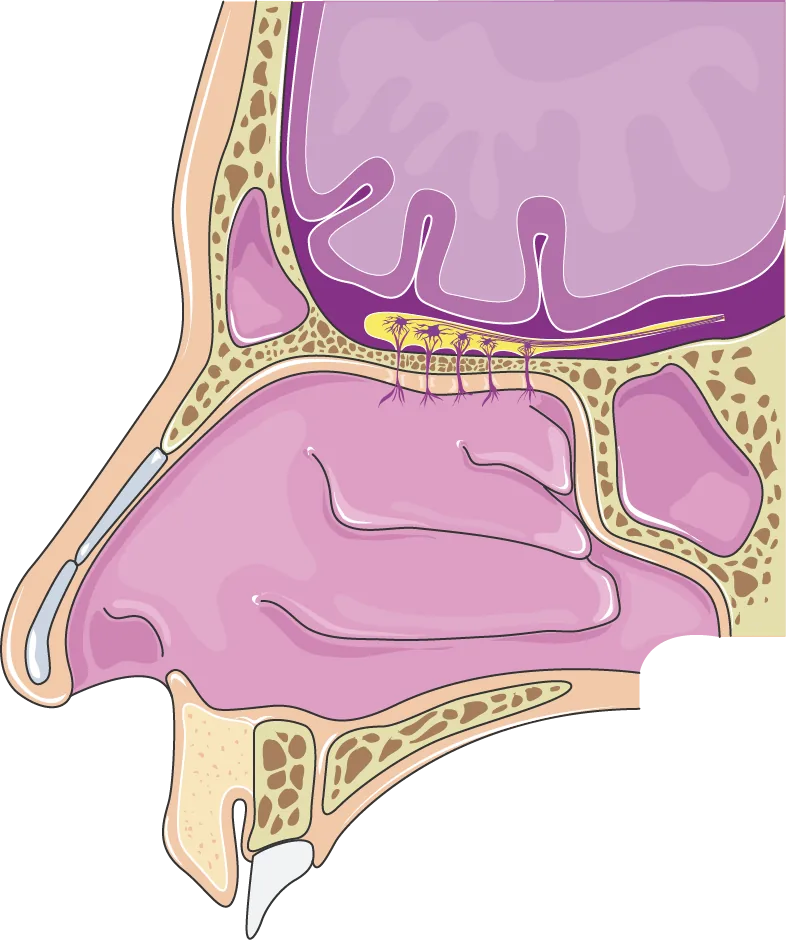
In a preclinical mouse study, University of Sydney researchers report that nose drops carrying mRNA for a brain-support protein improved memory test scores in aged mice and in an Alzheimer's-disease model.
Longevity
Splicing factor SRSF1 reduces frailty and is linked to a 14% longer median lifespan in mice
A 14 October 2026 Nature Aging paper from the Wyss Institute and collaborators reports that inducible SRSF1 expression in aged mice slowed frailty progression by 44% in small groups of 9 to 10 animals.