Nasal BDNF mRNA drops improve memory scores in aged mice
In a preclinical mouse study, University of Sydney researchers report that nose drops carrying mRNA for a brain-support protein improved memory test scores in aged mice and in an Alzheimer's-disease model.
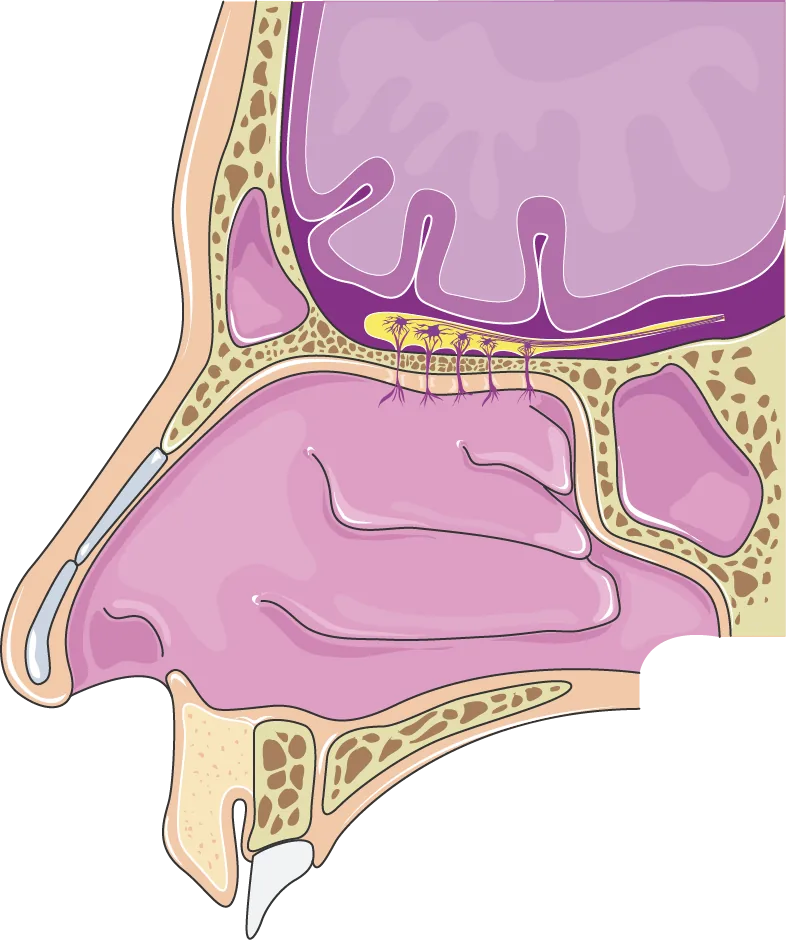
This is a preclinical mouse study, not a test in people. University of Sydney researchers report in Advanced Science that intranasal lipid nanoparticles carrying messenger RNA for brain-derived neurotrophic factor (BDNF) led cells in the nasal lining to make that protein, which supports neuron survival and plasticity.
In aged mice, the treated animals performed similarly to young controls on standardized tests of object recognition, working memory, and spatial memory, and better than aged control mice, according to the university's 19 November 2026 account of the paper and secondary reports of the results. The team also tested 5XFAD mice, a genetic model of Alzheimer's disease in which brain pathology is typically detectable from about two months of age and cognitive decline appears at about four months. Animals received the drops twice a week from two months of age — before the usual onset of cognitive decline, not after it. At four months, the university said, the treated mice were protected against the severe decline normally seen in the model. The treatment did not reduce amyloid plaques.
The work remains at an early, preclinical stage. The authors stress that human nasal anatomy differs from that of mice and that further animal safety studies are required before any human trial. Greg Neely and first author Maria Bergamasco are inventors on a related provisional patent.
Why it matters
Getting a therapeutic protein into the brain is difficult because of the blood-brain barrier. A non-invasive nasal route that uses a delivery platform already familiar from mRNA vaccines, and that appears to support neurons rather than clear plaques, is a useful experimental strategy — if later studies confirm it is safe and still works in animals whose nasal anatomy is closer to our own.
Looking ahead (speculative)
If follow-on animal safety studies are reassuring, the same idea might one day be tested in people, perhaps alongside existing anti-amyloid medicines rather than instead of them. That step has not been taken, and success in mice is not evidence that the drops would help patients.
This is news, not medical advice.